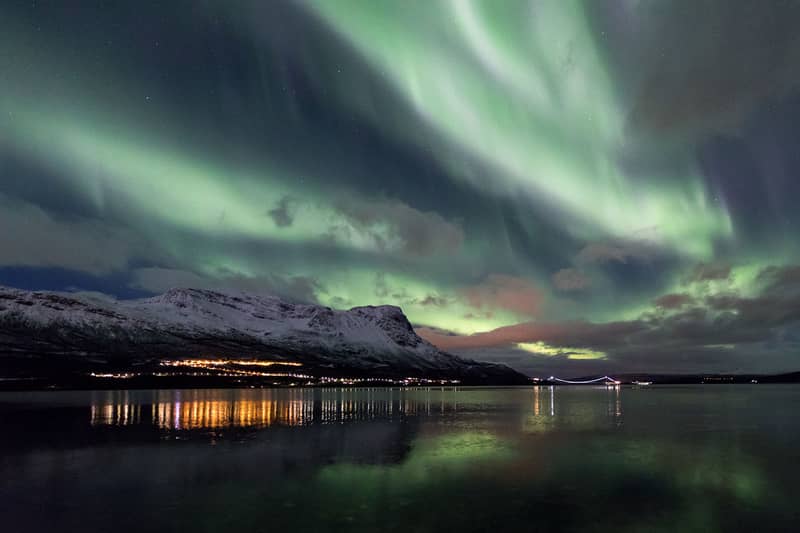
Abisko: Guided Aurora Chase with Hotel Transfers
From Abisko3.5 hGroup n/aCamera gear
Hotel pickup, hot drink and warm clothing; the guide drives to clear sky.
from €90 per personCheck dates
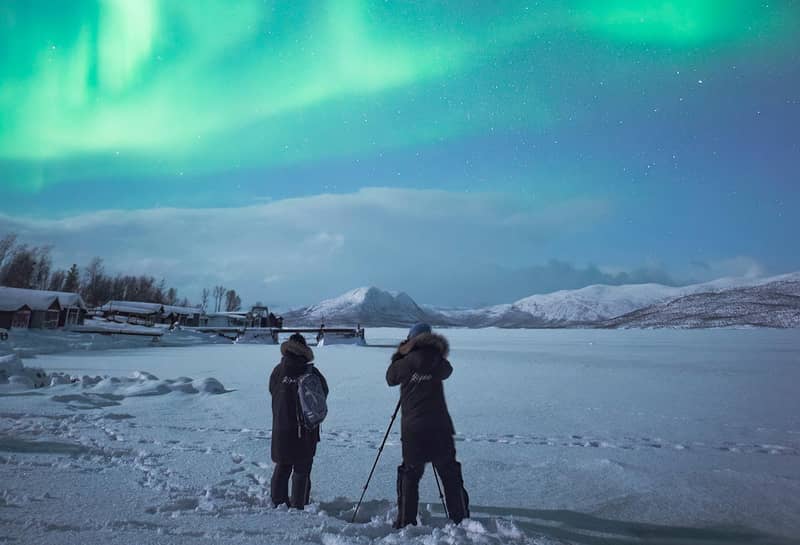
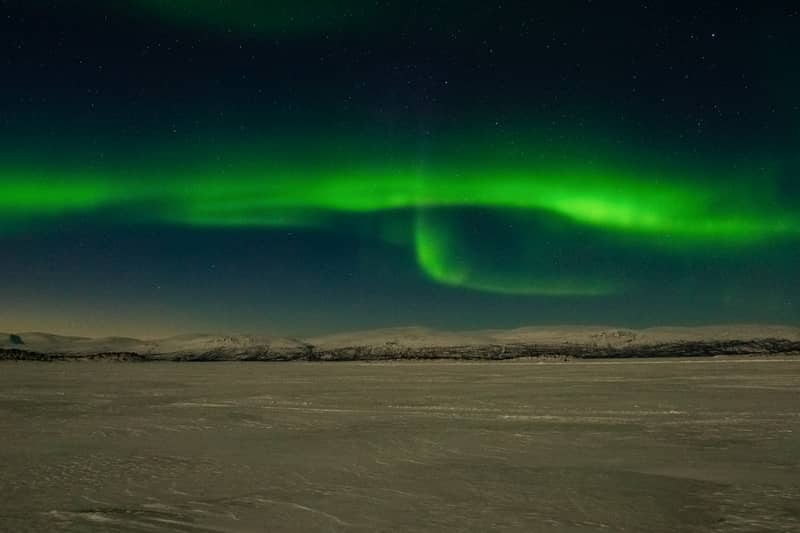
The mountains around lake Torneträsk often keep Abisko's sky clear when the rest of Lapland is under cloud. Watch from the shore on a clear night, or let a guide drive you to the gap in the clouds.
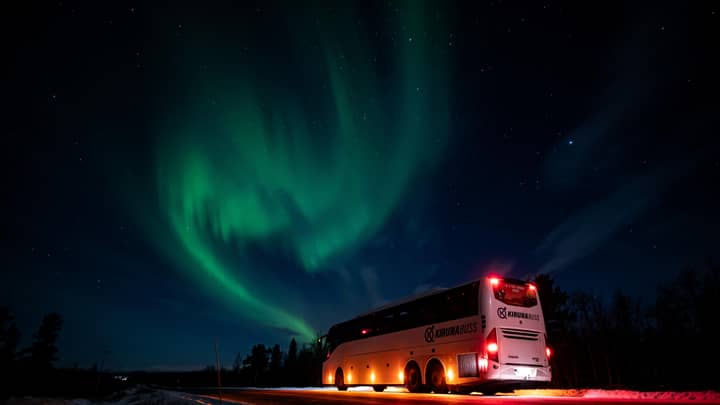
Go between September and March, sleep in Abisko if you can, and book a chase that drives towards clear sky rather than one fixed spot.
Yes, if you come in the dark season and give yourself three or more nights. Abisko sits at 68° N, under the band where auroras are most frequent, and its “blue hole” — a patch of sky that often stays clear thanks to the mountains and the steady wind over Torneträsk — improves the odds on cloudy weeks. No night is guaranteed, so more nights mean better chances.
Where you sleep decides most of it: a short chase from Abisko, a longer evening from Kiruna, or a free night on the lake shore.
The most-booked evening in Abisko is a 3.5 h guided chase with hotel pickup; from Kiruna it is a 4.5 h minibus trip into Abisko National Park. All lend warm clothing and can be canceled free up to 24 h before.
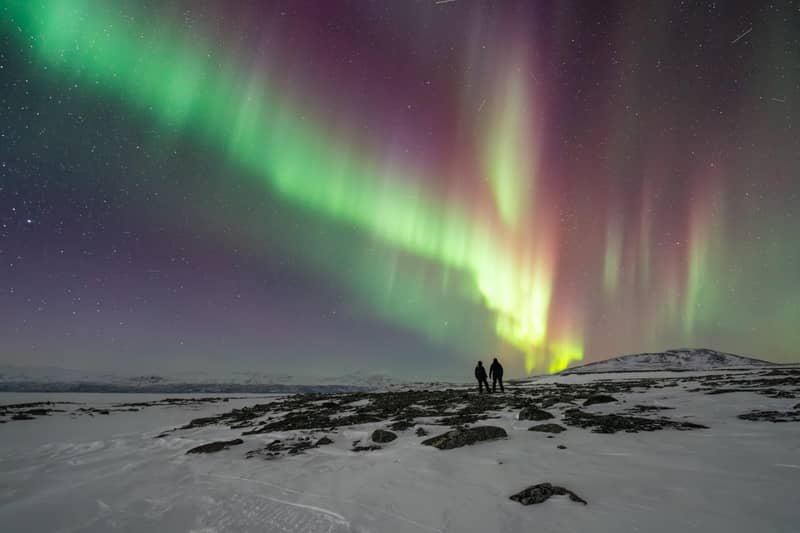
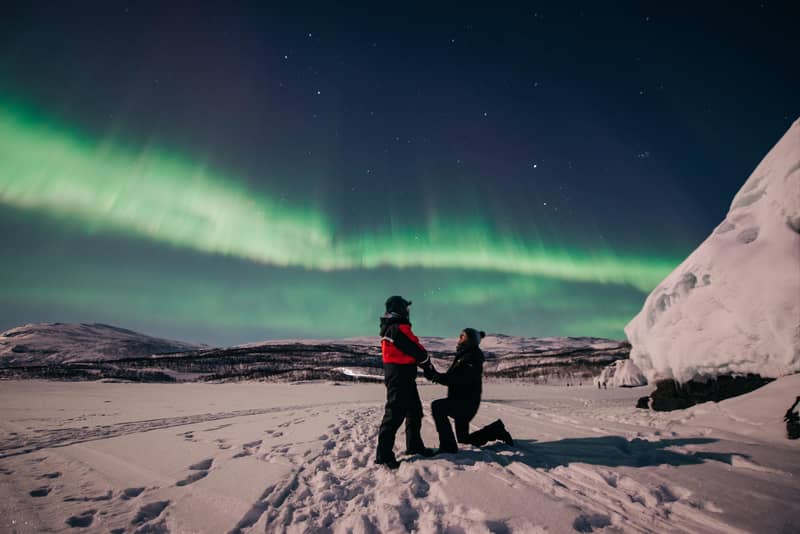
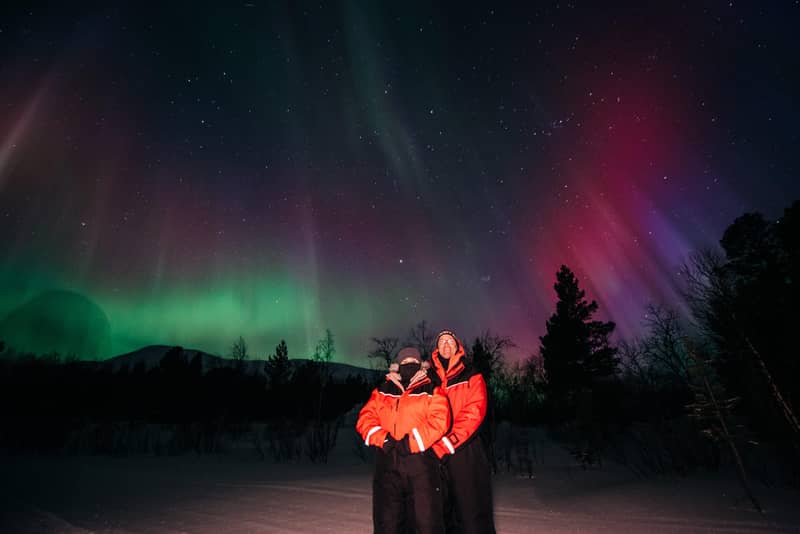
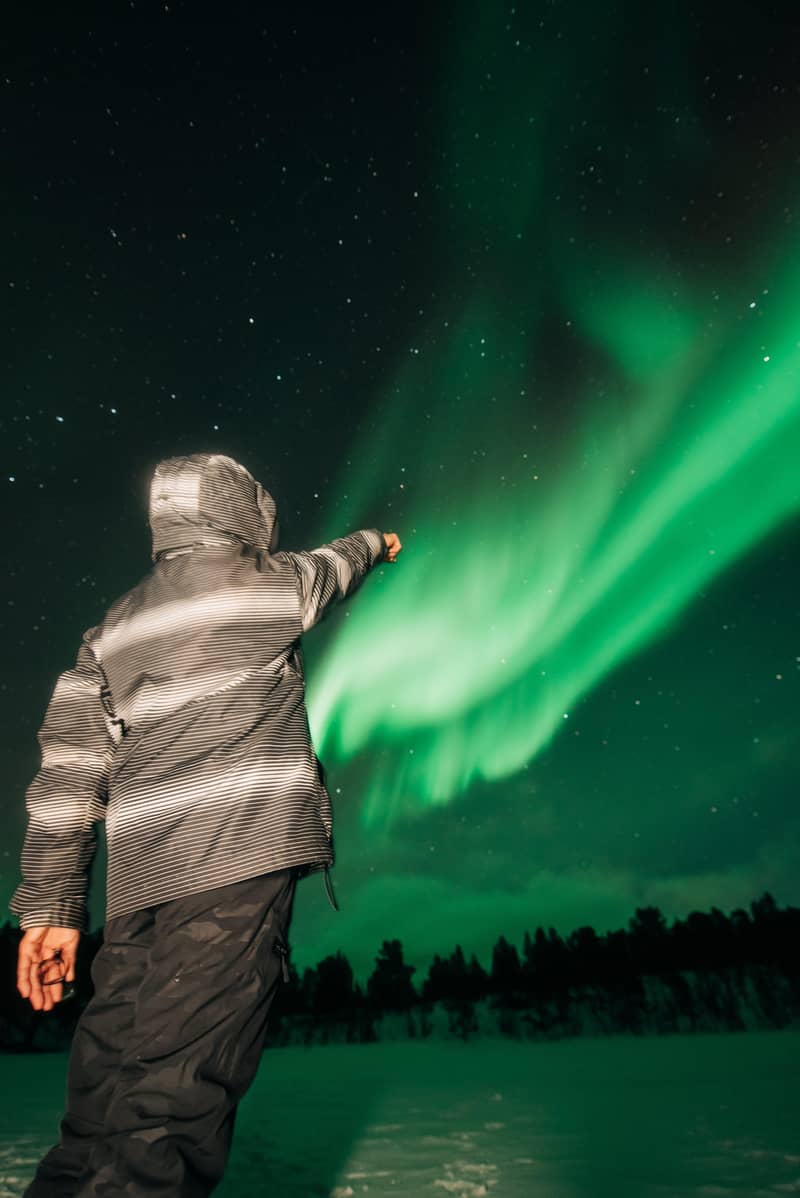
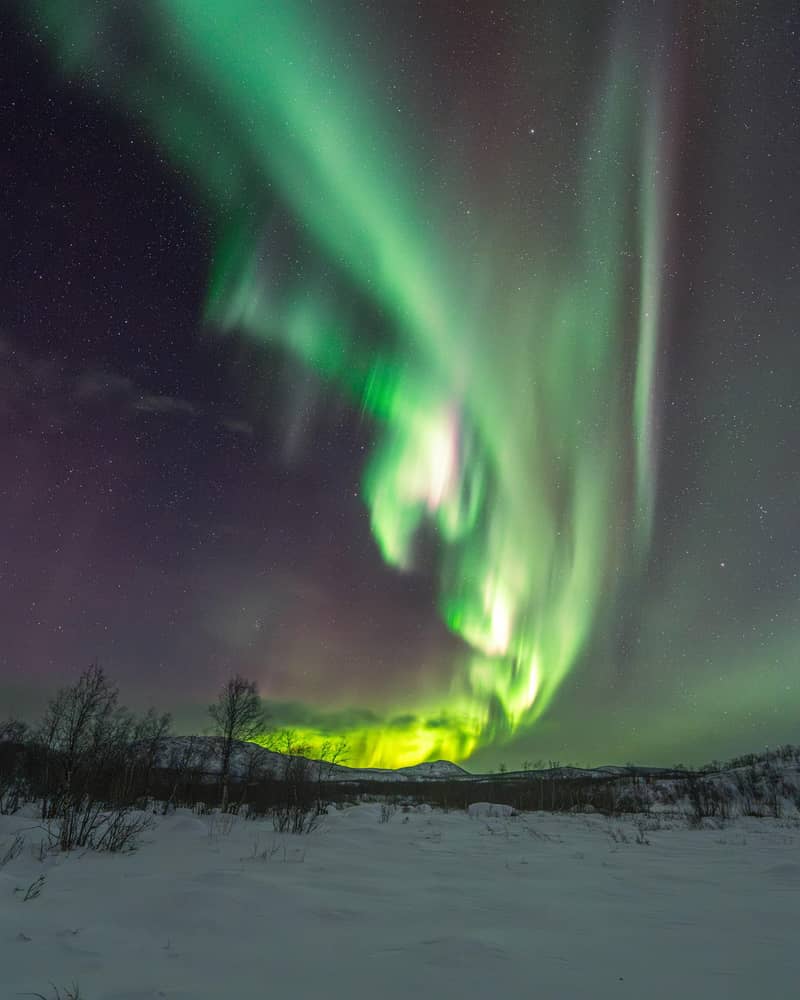
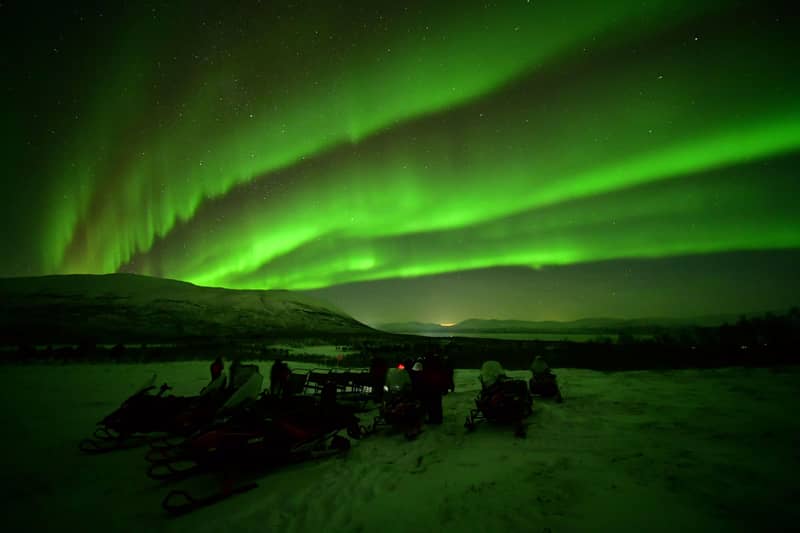
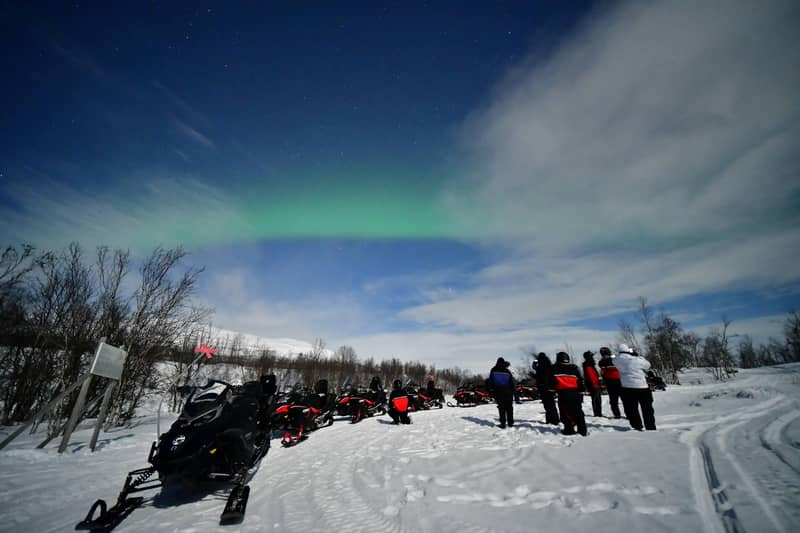
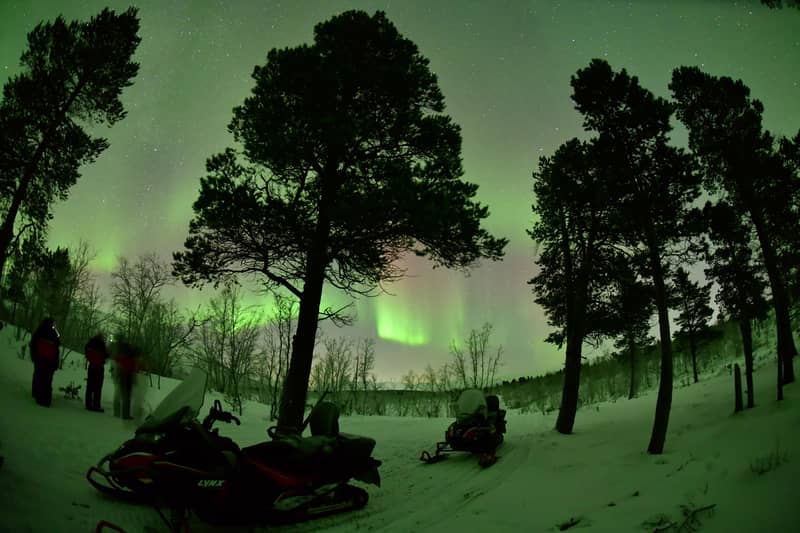
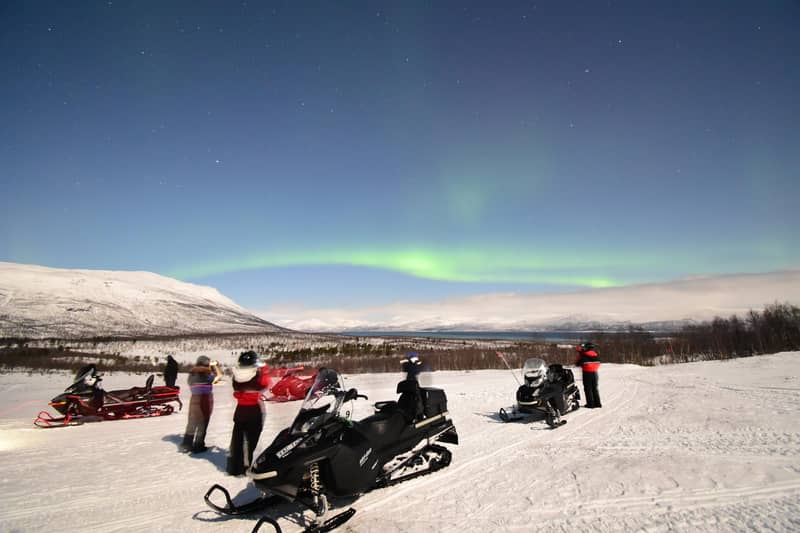
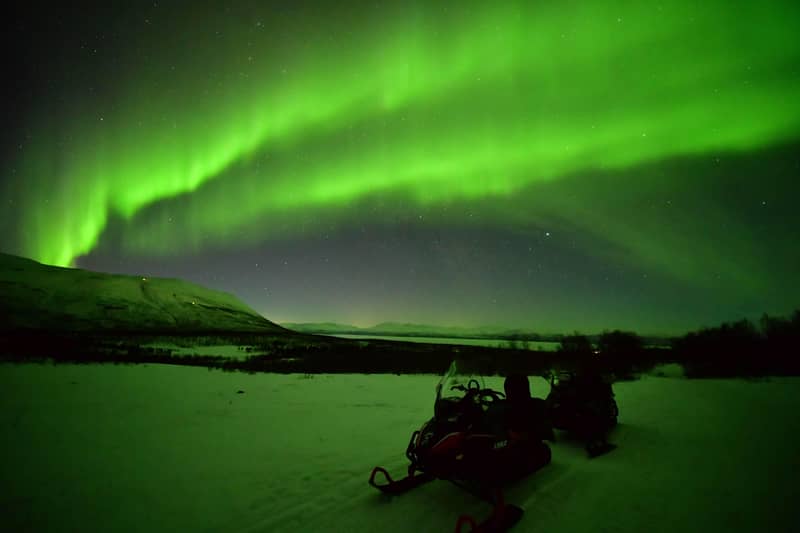
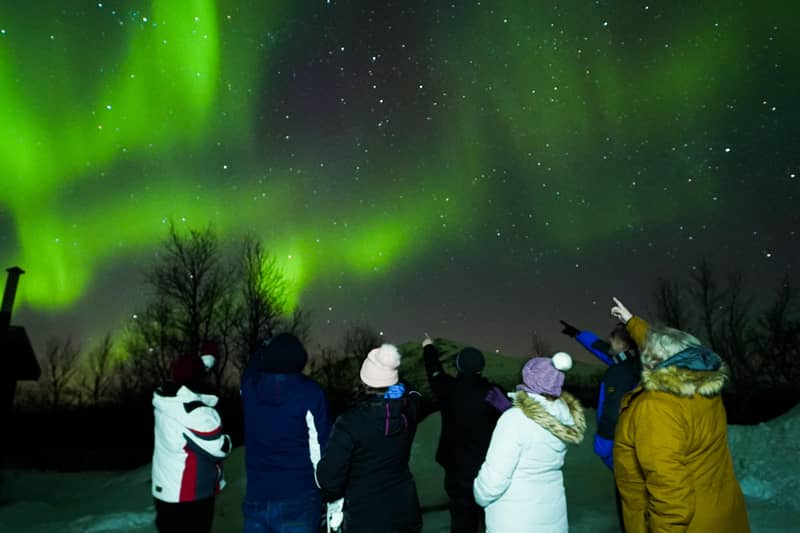
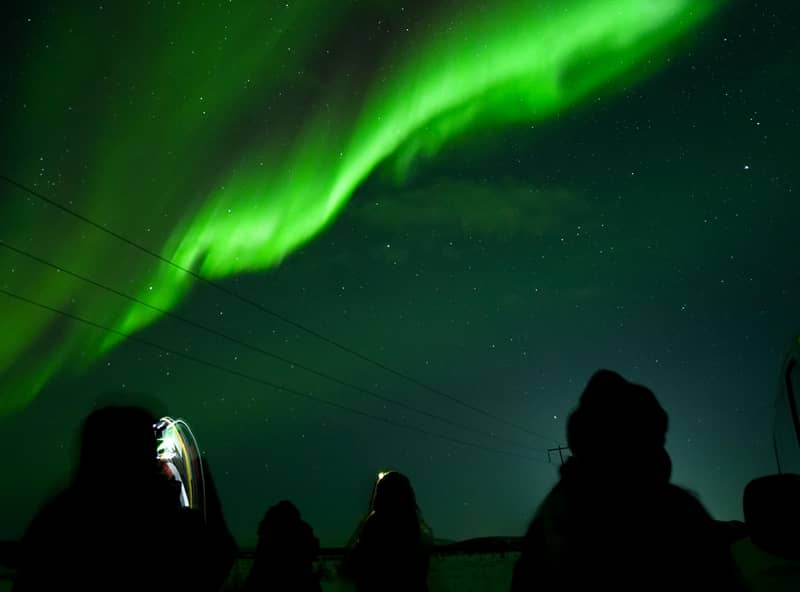
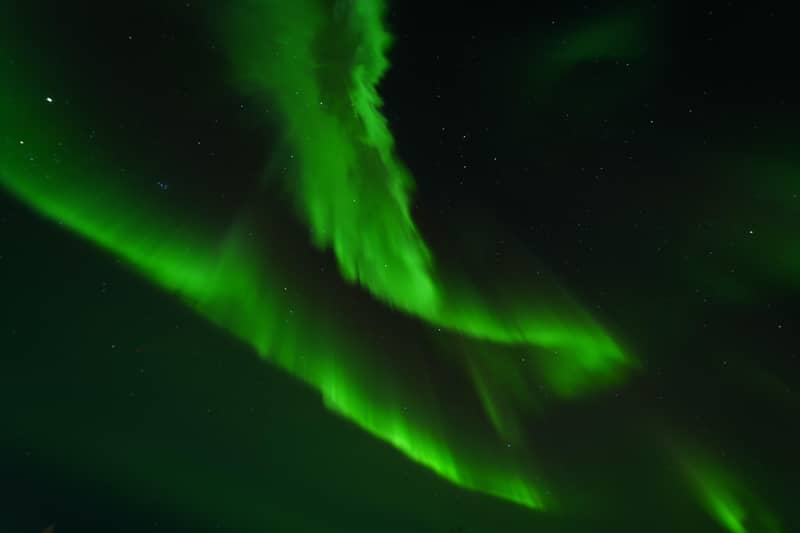
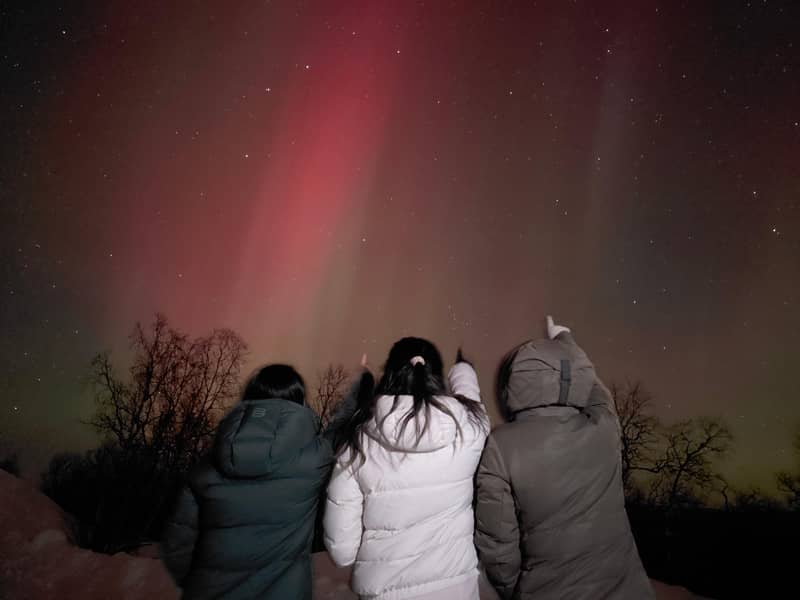
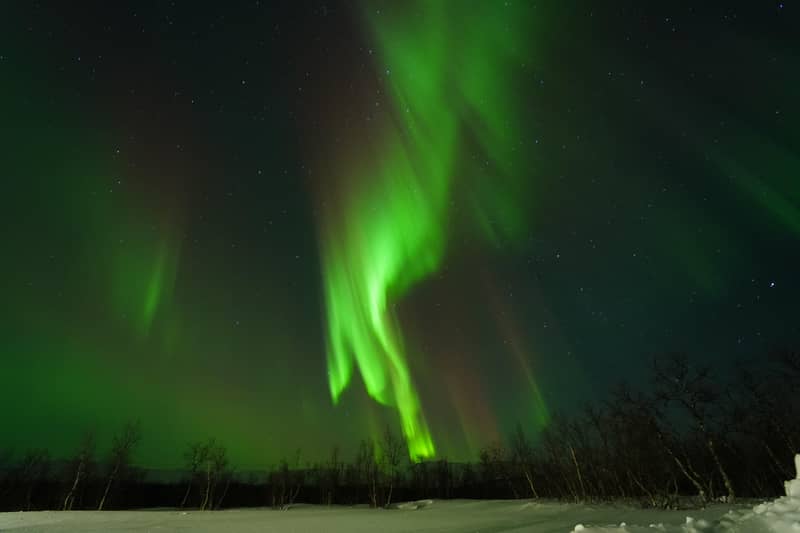
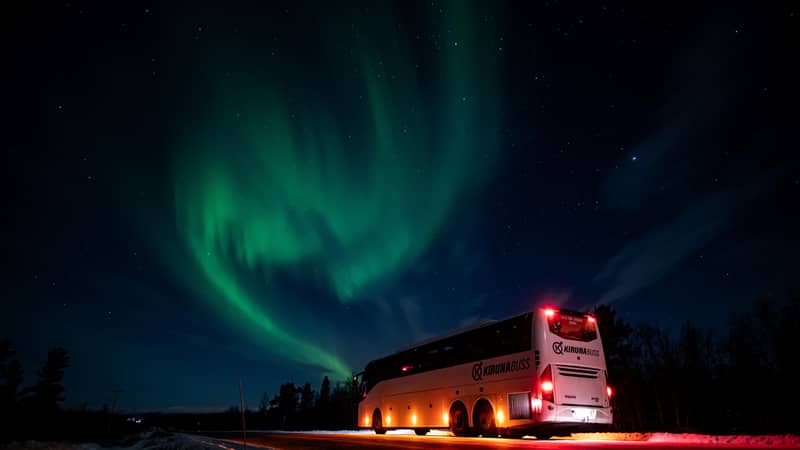

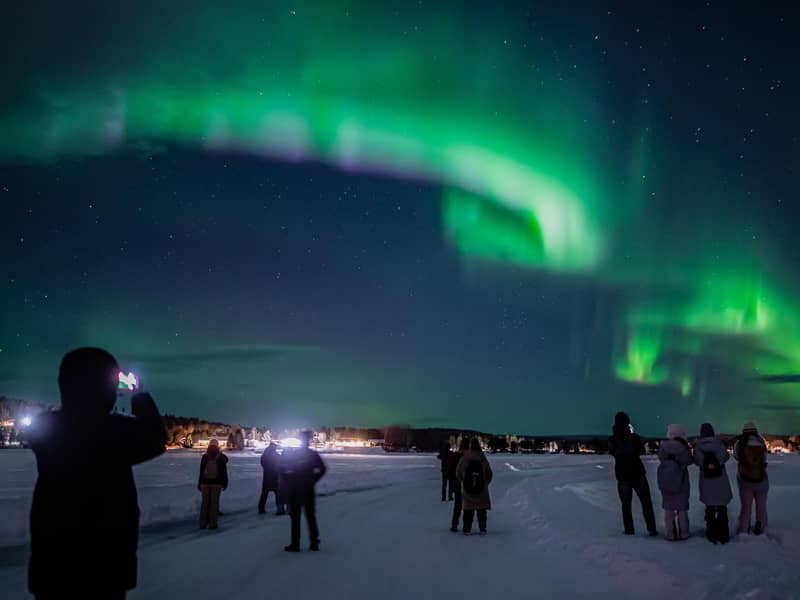
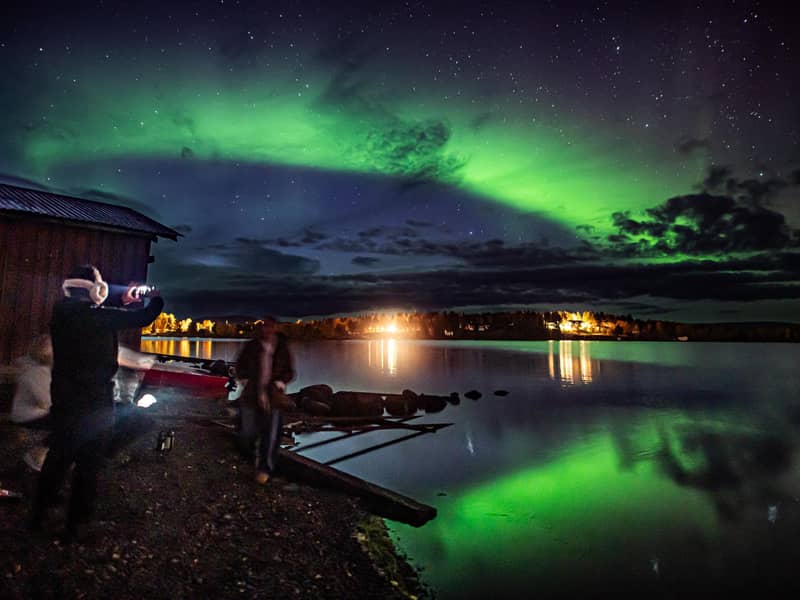
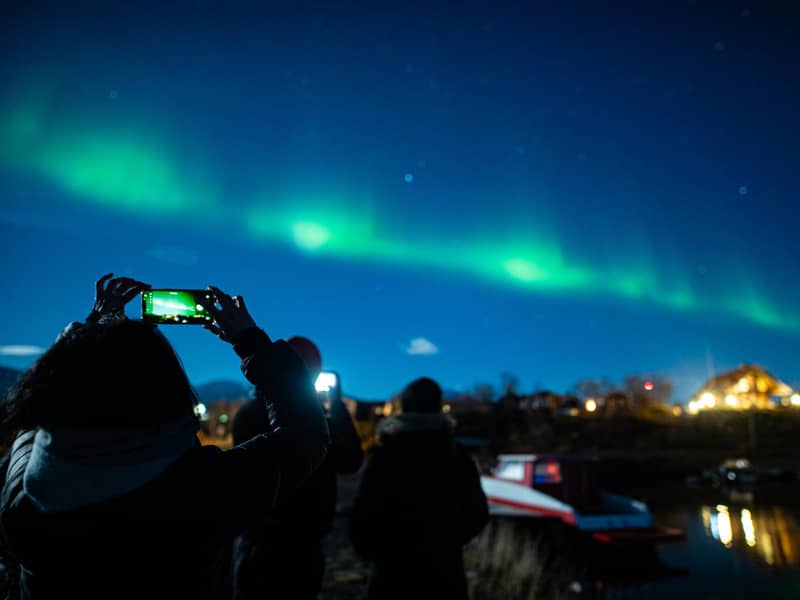
 Highest rated
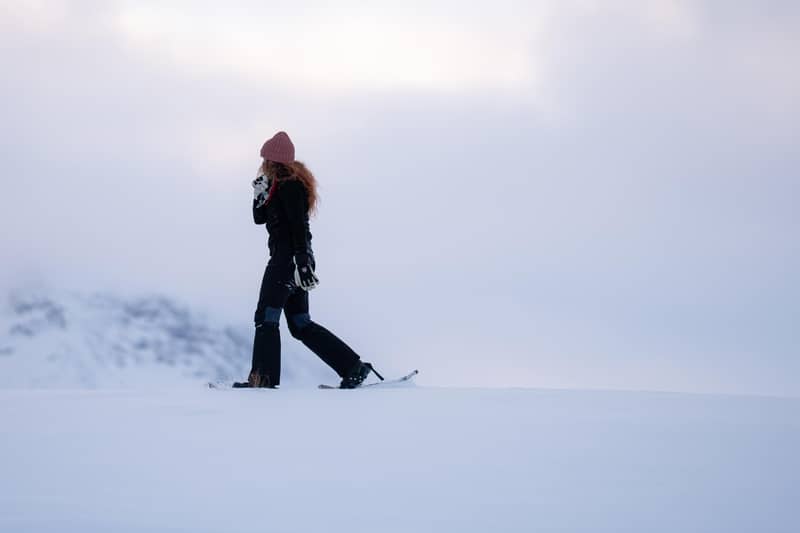
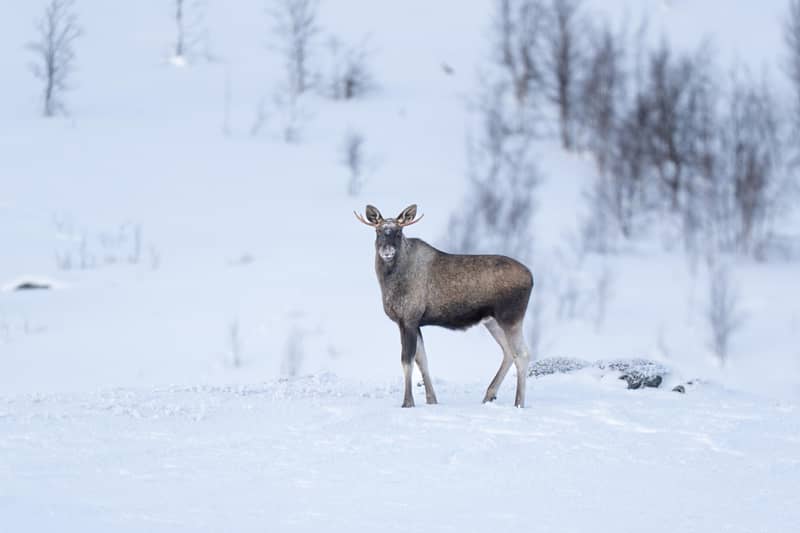
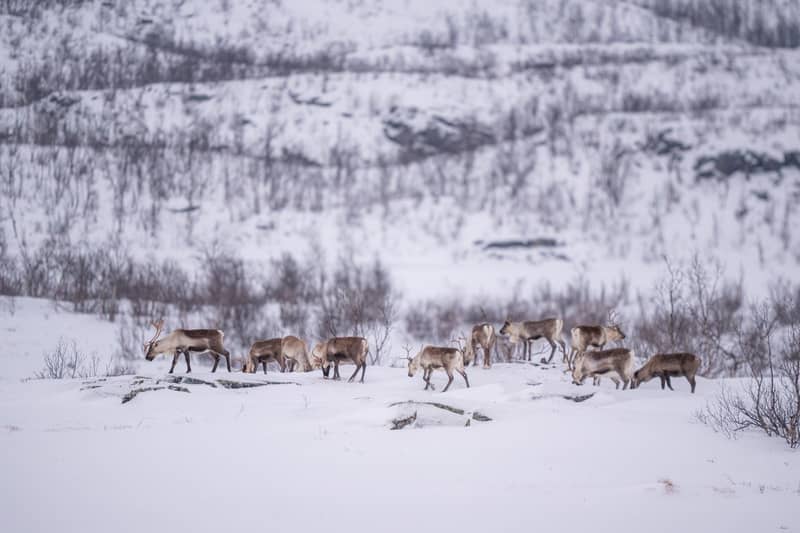
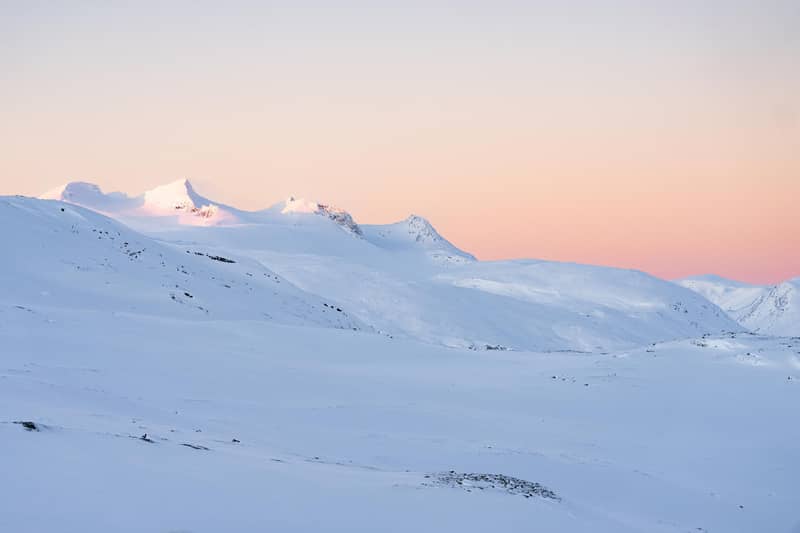
A guided night in Abisko lasts 3–3.5 h and most of it is waiting, not driving. The guide reads the sky, moves the group when clouds roll in and lends the warm layers; from Kiruna add about 2.5 h on the road.
Most Abisko tours collect you from your hotel in a van or minibus; the husky hike offers a transfer from STF on request.
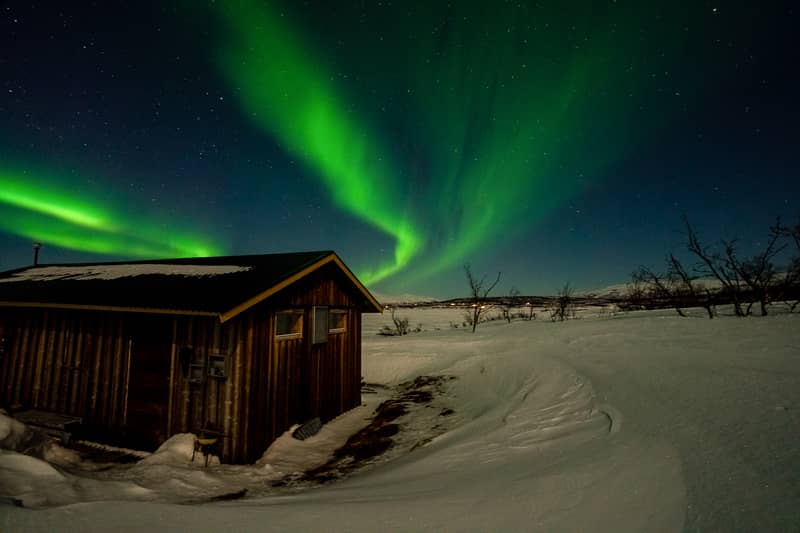
A short drive or walk to a dark spot by the lake, in the national park or along the E10.
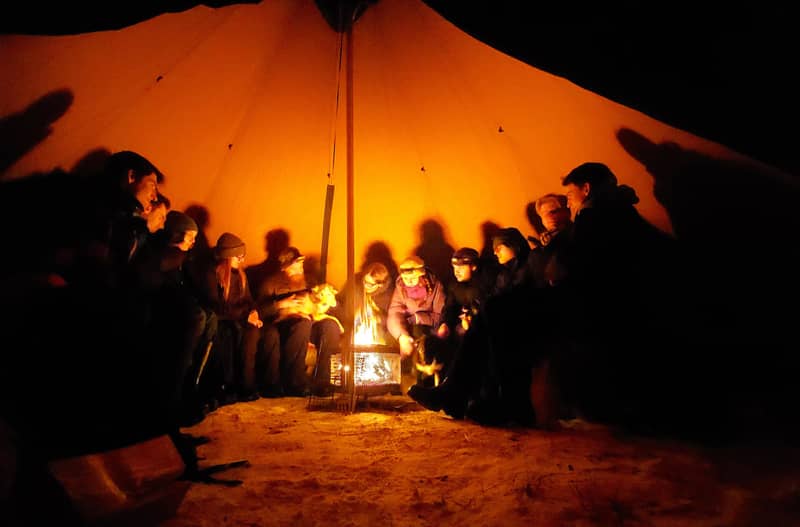
Hot drinks and snacks while the guide watches the sky and the cloud maps.
If clouds close in, the group drives on — guides often try several spots in one night.
Many guides photograph you under the lights; back at the hotel 3–3.5 h after pickup.
“Despite poor conditions, he “found” the northern lights by constantly changing locations.”
“An excellent guide who could spot even the faint aurora far away.”
“No northern lights (the sky was almost completely overcast), but a very pleasant and relaxing outing.”
The easiest spot is the Torneträsk shore, a short walk from the village with no street lights. For darker skies, go into the national park with a guide, ride the chairlift to the Aurora Sky Station, or join a tour from Björkliden.
 On foot · free
Open view north over the frozen lake, a short walk from the village.
Walks by the lake With a guide
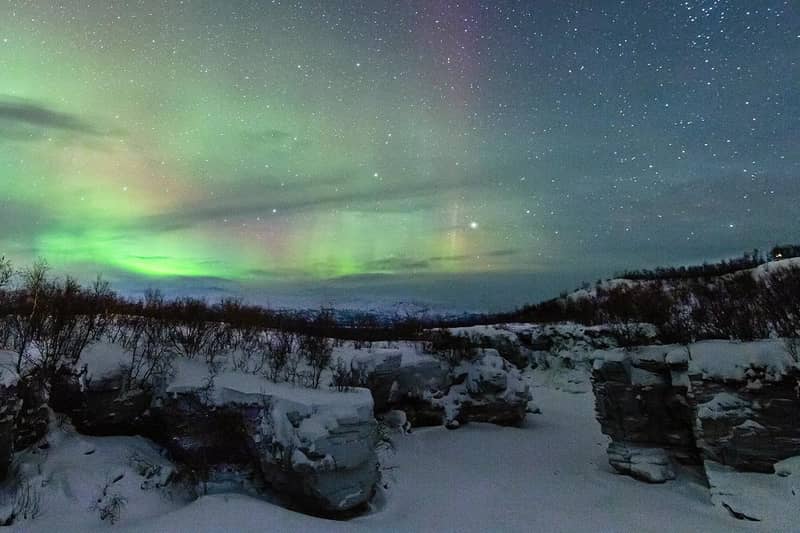
Canyon and birch forest just off the E10; tours stop here on clear nights.
Tours into the park STF ticket
Lookout ≈900 m up Mount Njullá, chairlift from the STF station.
How to visit Tour pickup
Small ski village west of Abisko; snowmobile and snowcat tours start here.
Snowmobile toursA lookout at about 900 m on Mount Njullá, reached by a 20–40 min open chairlift ride from a base near STF Abisko Turiststation. STF sells it directly — as a chairlift ticket, a guided night visit or a dinner — and it is not on GetYourGuide.
Source · STF Aurora Sky Station page, checked October 2026
Check the clouds first, the Kp index second and the darkness third. Guides make the same call every evening and drive to wherever the clouds break.
Most first-timers arrive expecting the wrong things: a strong forecast, the coldest night or the colors from photos. In Abisko the sky's clarity and darkness matter more, and the lights often look paler to the eye than to a camera.
At 68° N Abisko sits under the auroral oval, so even a low Kp can bring the lights overhead. Clouds matter more.
Cold does not cause auroras. Very cold nights are often clear nights, and a clear sky is what helps.
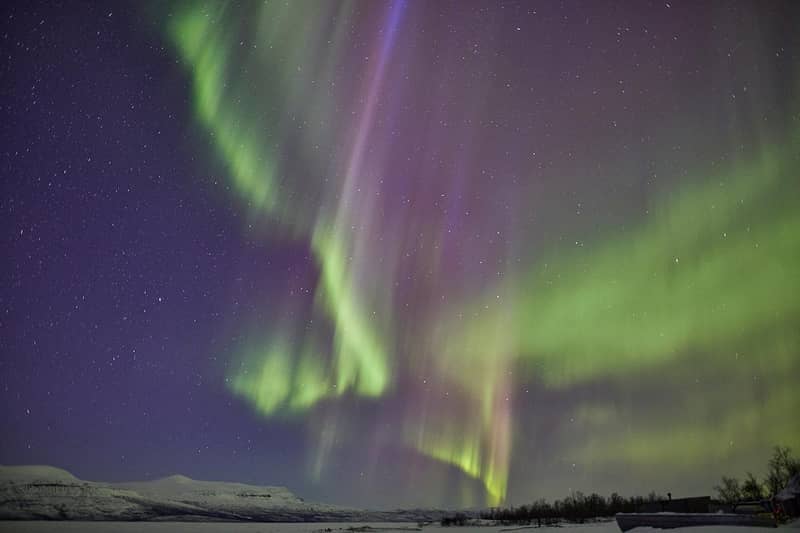
Faint displays look pale gray-green to the eye; cameras collect more light and color. Strong displays do show green and pink to the eye.
Abisko is one of the driest places in Sweden and often stays clearer, but it still has cloudy weeks. Plan three or more nights.
The sky is dark enough from late August to April, and most tours run from September to March. From late May to mid-July the midnight sun hides the lights.
Month by month →The coldest month, with night lows around −15 °C. The sun returns around 6 January, but days stay short, so the dark hours are long.
Still deep winter at about −14 °C, but daylight is back to some 7.5 h — time for park walks or huskies between night tours.
Milder nights around −10 °C and days longer than nights by the equinox. The lights keep coming until the evenings get too bright.
Early April can still bring the lights; by mid-month the sun is down for only about 8 h and twilight fills most of it.
The nights are too bright for the aurora. The midnight sun starts around 25 May.
The sun never sets, so there is no aurora to see. Abisko switches to hiking season.
Midnight sun until mid-July, then only short bright nights — still no aurora.
Darkness returns late in the month, and the first auroras can show from late August on clear nights.
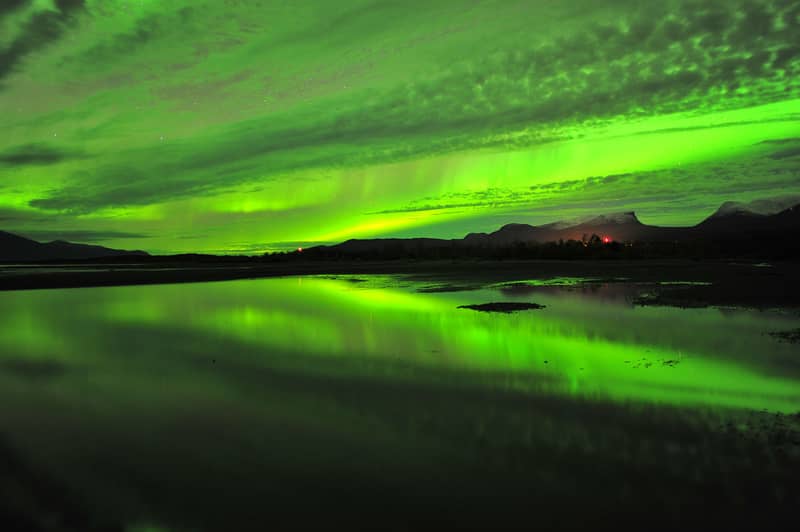
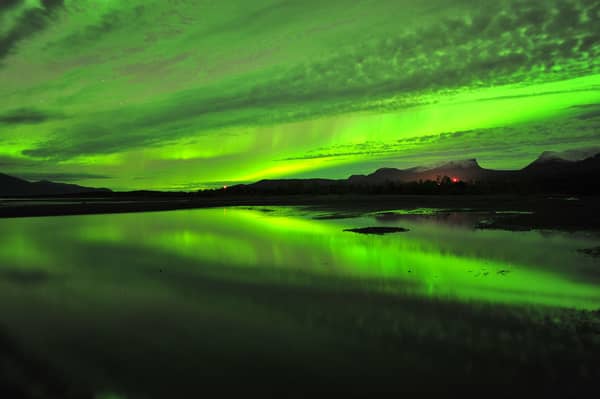
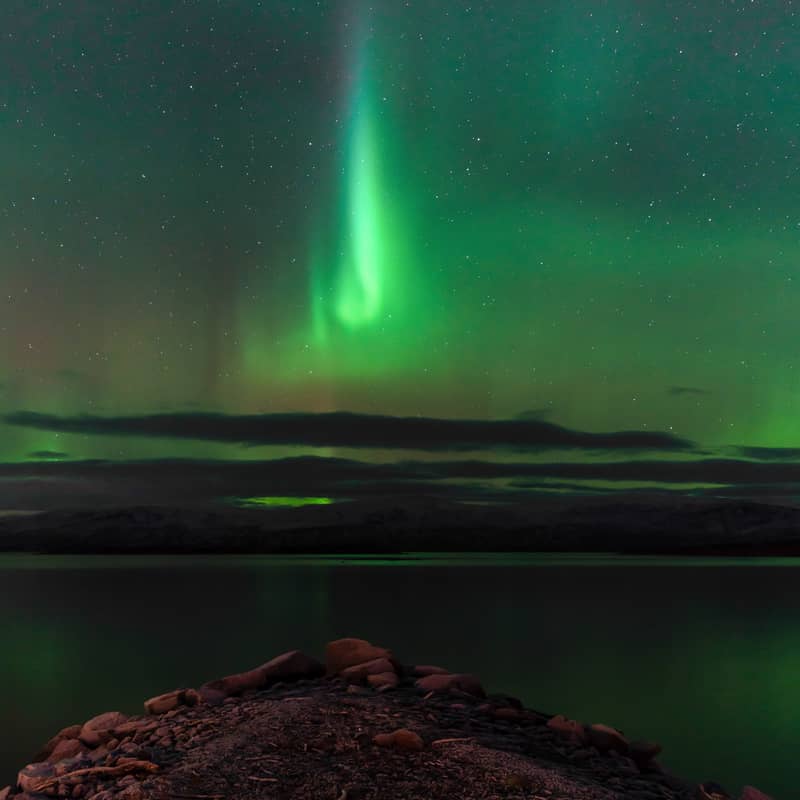
Mild nights around +3 °C, autumn colors and an unfrozen lake that can mirror the lights. Nights already last about 11 h.
Nights grow fast — about 15 h without sun by mid-month — while lows stay near −2 °C. A comfortable month for long waits outside.
Darkness deepens towards the polar night, with lows around −7 °C and under 5 h of daylight by mid-month.
Polar night from about 6 December: the sun stays below the horizon, and around 5 h of blue twilight light the middle of the day. Lows near −10 °C.
Abisko is about 95 km from Kiruna on the E10, roughly 1 h 15 by car or about an hour by direct train to Abisko Östra, with only a few trains a day. A Kiruna tour includes the transfer both ways.
Dress for −10 to −15 °C on a winter night and expect to stand still for long stretches. Most tours lend snowsuits or overalls, boots and mittens, so your job is the base layer.
A phone in night mode, held still against something solid, captures most displays; a camera on a tripod does better. The sensor picks up more green than your eye, so a faint gray arc can turn out bright in the photo.
Clouds stop more nights than anything else, followed by a bright moon, strong wind and simply a quiet sun. None of them can be fixed on the night, but each has a way around it if you plan the trip with spare evenings.
The most common reason for a night without lights.
Around full moon faint displays wash out; strong ones still show.
Snowmobile and lake activities can be called off in bad weather.
Some clear nights simply have no aurora.
One train line and one road link Kiruna and Abisko.
Abisko National Park, founded in 1909, starts at the edge of the village, so the daytime plan is mostly walking. Around the winter solstice the sun does not rise at all, but about five hours of blue twilight still light the trails.

The Abiskojåkka river cuts a short canyon right by the village — an easy walk on marked paths.

The U-shaped valley on the horizon, visible from the lake shore on a clear day.

Sweden’s best-known long-distance trail begins in Abisko; walk the first stretch along the river.

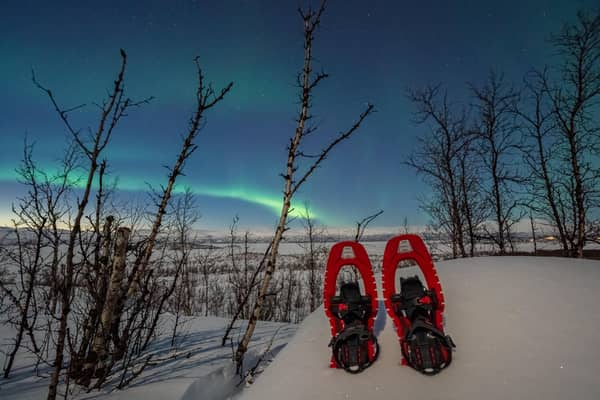
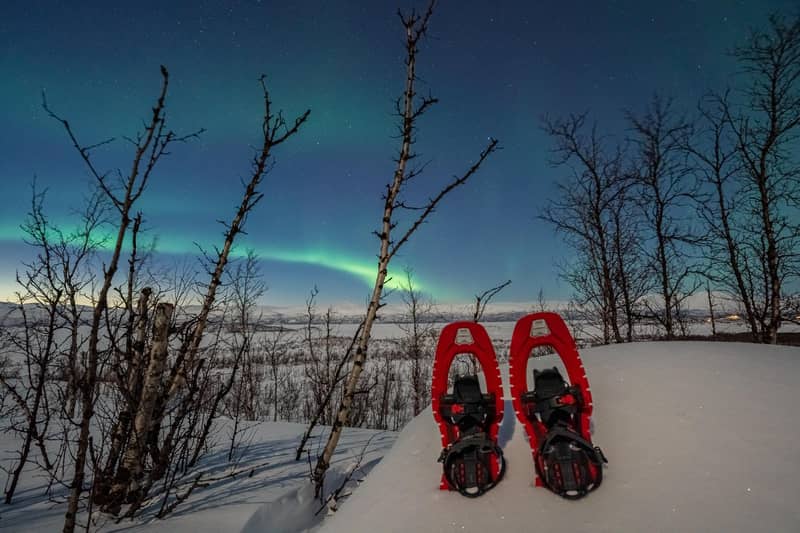
The lake freezes in winter; tours with snowmobiles and snowshoes use its shore.
Live dates and prices for the most-booked Abisko evening. Free cancellation up to 24 h before.
Six tours on this page average 4.6 out of 5 across 1,555 reviews, and guests most often praise guides who keep driving until the sky clears — even honest reviews of cloudy nights still rate the evening highly.
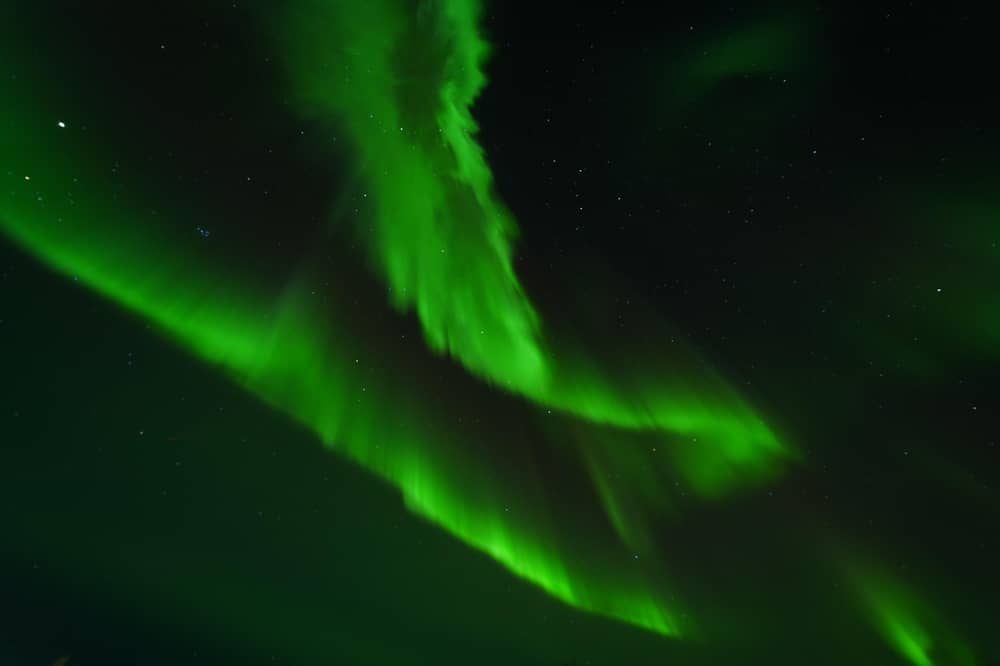
“Our guide took us to many different locations, meaning we got to see the northern lights even though it was really cloudy. He shared his photos so we will never forget the experience.”
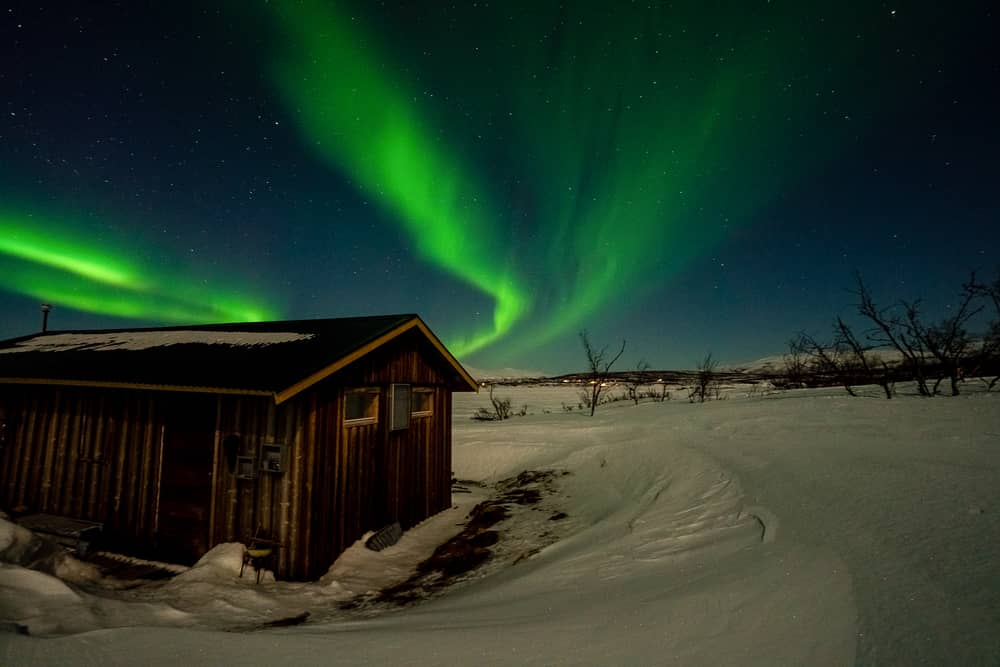
“The night sky was so clear and full of stars, away from the lights of Abisko. We went to a couple of frozen lakes and were extremely lucky to see the northern lights coming and going throughout the hike.”
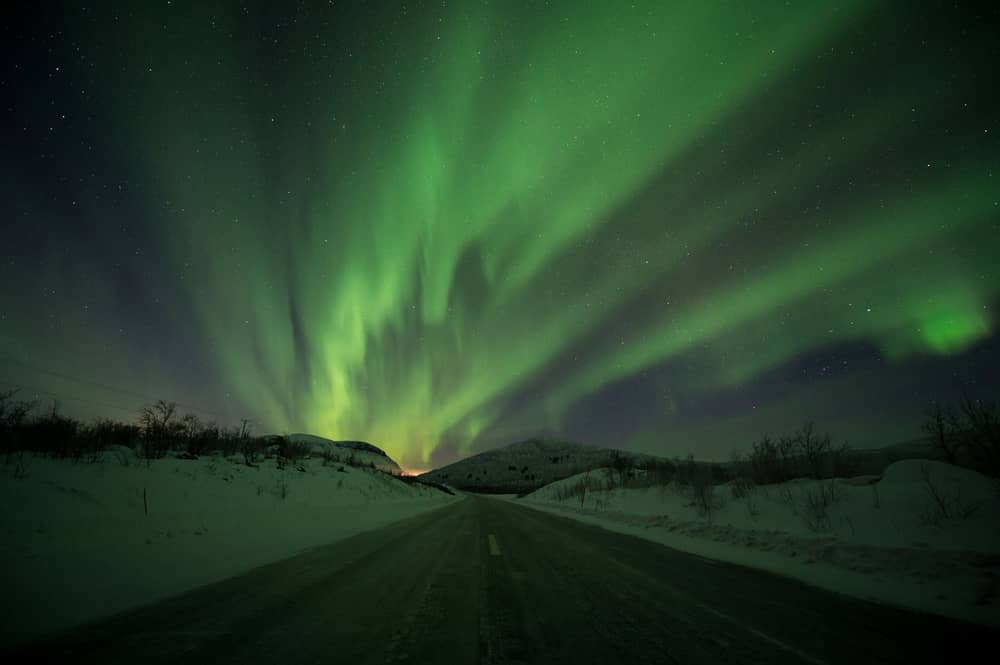
“Her photos of us with the Aurora in the background were amazing. An unexpected and unique gift to all of her guests.”
Ten short, direct answers.
See Abisko toursLast updated October 2026 · prices are GetYourGuide's advertised “from” per person
Yes. Abisko sits at 68° N under the auroral oval, and its sky often stays clear when clouds cover the region around it. No night is guaranteed, so plan for at least three nights.
Between September and March. The sky is dark enough from late August to April, December and January are the darkest months, and autumn and March bring milder nights.
About 95 km on the E10 — roughly 1 h 15 by car or about an hour by direct train to Abisko Östra. Kiruna tours include the transfer.
Abisko, if you can find a room. You are under the clearer sky every night and tours last 3–3.5 h; from Kiruna each evening adds about 2.5 h on the road, but there are more hotels and flights.
No. The Abisko northern lights Aurora Sky Station visits are sold only by STF Abisko Turiststation — as a chairlift ticket, a guided night visit or a dinner. The Blue Hole tour visits the STF area and the national park.
Yes. Lights Over Lapland runs a sky camera in Abisko National Park, streamed on SkylineWebcams; it is sometimes offline, so check it together with a cloud forecast.
Yes, from the Torneträsk shore on a clear night, a short walk from the village. A tour adds transport, warm clothing and a guide who drives to clear sky.
Most tours lend snowsuits or warm overalls, boots and mittens. Bring thermal underwear, wool socks and a hat — the BBQ tour lists them as not included.
Many can, with limits. The Abisko chase takes children from 5, the photographer tour from 3; the Kiruna to Abisko National Park tour is not for children under 12, and snowmobile drivers must be 18.
Every tour on this site can be canceled free up to 24 h before the start, with a full refund. After that, operators decide; none guarantees the lights.